I. The Pîr
His life and sourcesBorn in the marshlands of southern Iraq in 512/1118, a Shāfiʿī scholar and Sufi master who called himself “poor little Ahmad” — Miskîn Ahmedcik.
He fed the hungry, visited every sick person, good or bad, walked with his eyes on the ground and greeted others first. Nearly nine centuries later his path is kept in Iraq, Egypt, Syria, Türkiye, the Balkans, South Asia and the Americas.
II. The Path
All practicesWhat each practice is and what it means in the tradition. Practices are taken up under the guidance of a teacher; this site explains, it does not instruct.
III. Lineages and masters
All branchesOne root, many branches. Each line's chain is shown as that line gives it; where records differ, both versions stand side by side.
IV. Calligraphy and sacred arts
Enter the galleryWorks by Rifāʿī calligraphers and for Rifāʿī lodges — each with its holding collection and its credit.
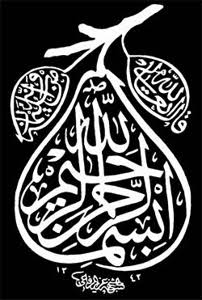
Shown once rights are cleared.
Shown once rights are cleared.
V. Living tradition
The communities that keep the path today — from Türkiye and the Balkans to Egypt, Sri Lanka and the Americas — each shown with the evidence behind it, and the circle of Sheikh Sherif Baba Çatalkaya, whose teaching inspired this site.
Branches around the world · Find a community · Balkans · Egypt · Iraq · Sri Lanka · Ansari network · The research report